
Flood
Standard homeowners and renters policies don't cover flood damage. A flood policy protects your home and belongings from rising water, wherever you live.
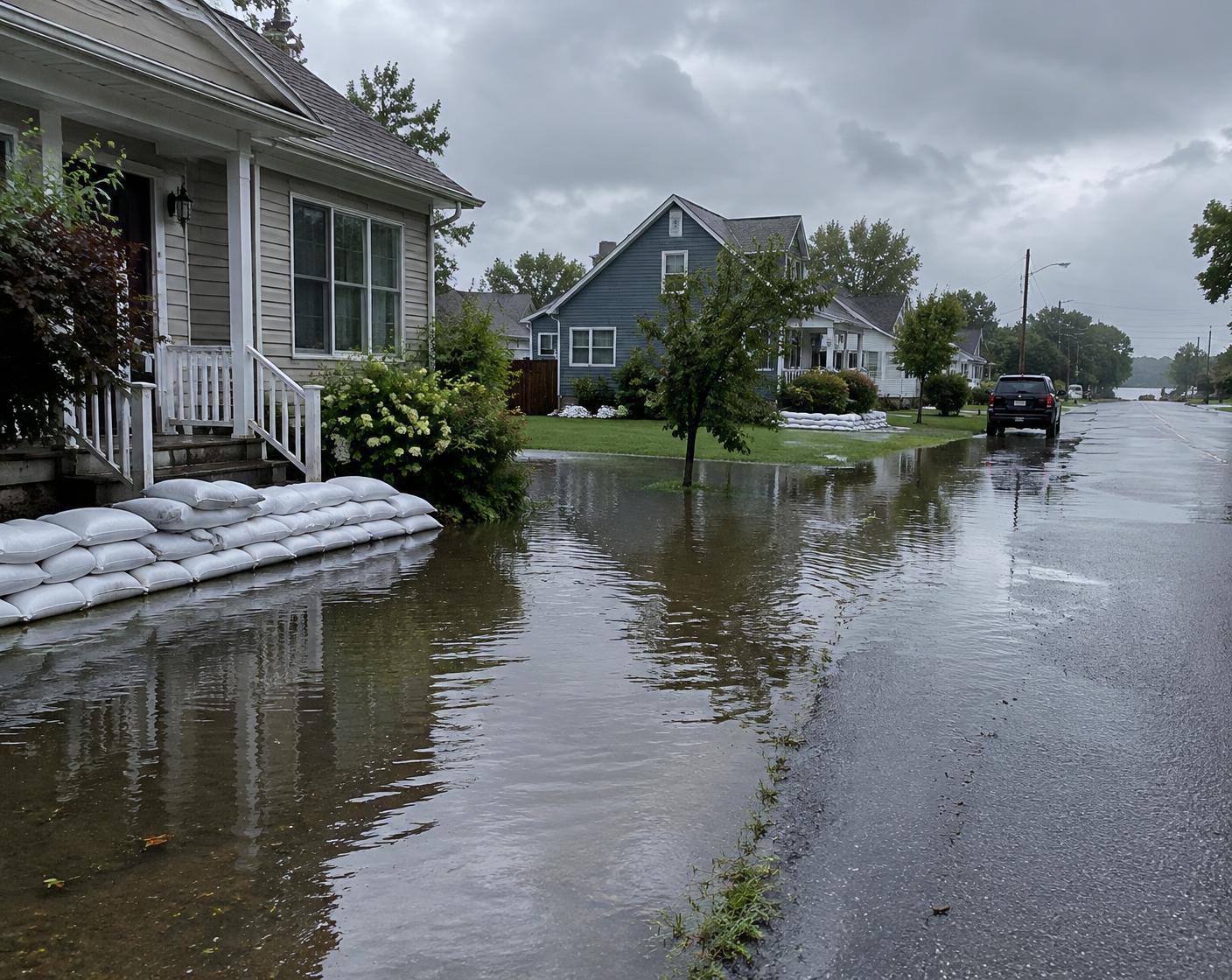
Floods happen outside high-risk zones too, often from heavy rain overwhelming drainage. We compare policies through the National Flood Insurance Program and private flood carriers to find the right fit.
What's covered
Building coverage
Covers the structure, foundation, electrical and plumbing systems, furnaces and water heaters.
Contents coverage
Covers personal belongings like furniture, clothing and electronics.
NFIP policies
Federally backed coverage available to most communities.
Private flood
Options that may offer higher limits, shorter waiting periods or additional living expenses.
Excess flood
Additional limits for high-value homes above NFIP caps.
Basement guidance
We explain what's covered below grade, which is often limited.
Who it's for
- Homeowners near water
- Homes in low-lying areas
- Renters
- Owners of high-value homes
Common questions
Is there a waiting period?
NFIP policies typically take effect 30 days after purchase, with some exceptions. Private flood waiting periods vary, so don't wait for a storm forecast.
I'm not in a flood zone. Do I need it?
Many flood claims come from properties outside high-risk zones, and coverage there is often affordable.
Does flood insurance cover my basement?
Coverage below grade is limited, usually to essentials like furnaces and water heaters. We'll explain the specifics before you buy.
Have questions about your policy?
Talk to a licensed agent who knows your file. We'll review your coverage, answer questions and find savings where we can.